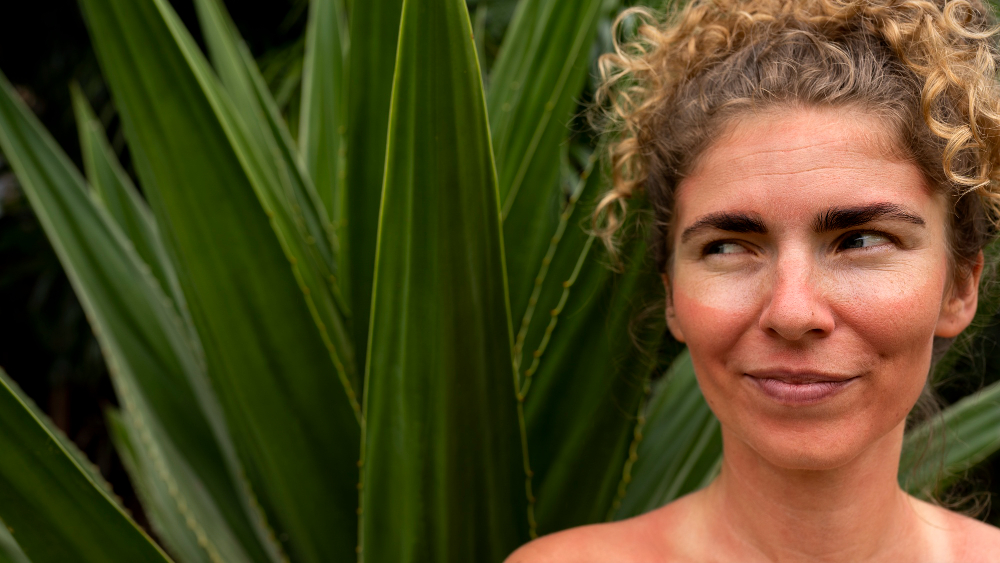
A cloudy morning can make the Australian outdoors feel harmless. The temperature is comfortable, the sky looks grey and the beach or local park seems less demanding than it would under bright sunshine. Yet clouds do not reliably remove the ultraviolet radiation that can damage skin. For Australians, understanding the difference between heat, visible sunlight and UV is an important part of everyday health.
Advertisement
Ultraviolet radiation comes from the sun and cannot be seen or felt. It is not the warmth on your face, and a cool breeze gives little indication of its strength. Some clouds reduce UV, while thin or broken cloud cover may still allow substantial amounts through. That is why choosing sun protection by looking out the window or checking the temperature can be misleading, especially in Australia’s high-UV conditions.
Cancer Council Australia recommends using sun protection whenever the UV Index reaches 3 or above. The index describes the intensity of UV radiation rather than the likelihood of sunshine or rain. It changes with time of day, season and location. Northern regions can have high readings for much of the year, while southern areas often experience greater seasonal variation. Checking the local forecast, rather than assuming all Australian cities have the same conditions, gives a more useful guide.

