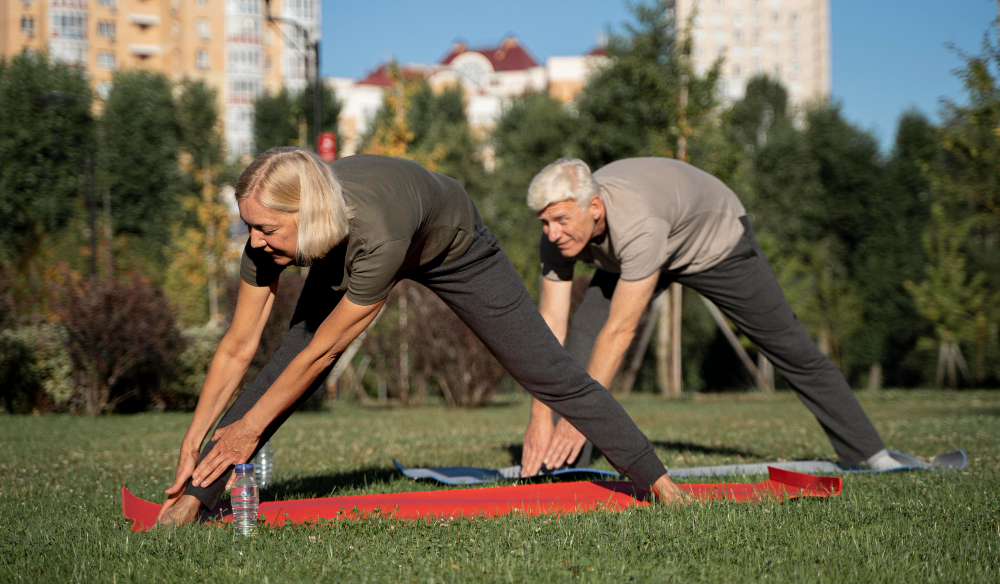
Australians are often told to move more, but that advice can sound vague when work, family and commuting already fill the day. New national guidance released in May 2026 offers a broader way to think about fitness. Instead of treating exercise as an isolated appointment, it looks at how physical activity, time spent sitting and sleep fit together across a full 24 hours.
Advertisement
The Australian Government’s updated movement guidelines recommend that adults aged 18 to 64 are active most days, preferably every day. They advise at least 30 minutes of moderate- to vigorous-intensity activity on most days, muscle-strengthening activities on two or more days each week, and movement targeting mobility, balance and coordination on three or more days. Several hours of light activity across the day also matter. This is a wider picture than simply counting visits to the gym.
Moderate intensity usually means breathing faster while still being able to speak, as during a brisk walk or steady cycle. Vigorous exercise makes talking in full sentences harder. Different bodies experience these levels differently, so a pace that challenges one person may be comfortable for another. Walking uphill, swimming, dancing and active recreational sport can all count, depending on the effort involved.
There is no requirement to own a fitness tracker or reach a universal step count. Time and intensity are useful guides, but consistency and the activities a person can actually do matter more than a number on a screen.
The guidance recognises that strength and everyday movement have distinct roles. Strengthening muscles might involve resistance bands, weights, body-weight exercises or physically demanding tasks. Activities improving balance and coordination can include controlled stepping, certain forms of dance and exercises designed for stability. Strength is useful beyond appearance: it helps with carrying shopping, getting up from a chair and remaining independent as people age.

