Home Hobbies
Category:

Hobbies

Advertisement

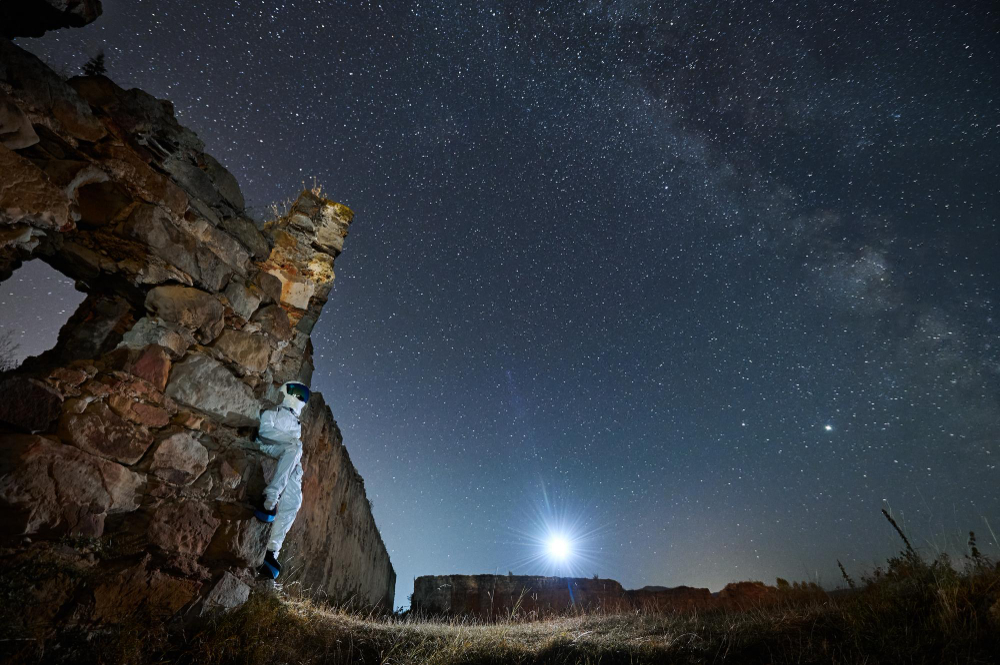
On a clear Australian evening, the sky offers a remarkable introduction to astronomy. Far from bright city lights, the Milky Way can appear as a luminous band stretching overhead, while familiar patterns such as the Southern Cross help people begin finding their way among the stars. Stargazing is one of the few hobbies that can start with no equipment at all: the first requirement is simply to look up and give your eyes time to adjust.

What you can see depends on where you are, the time of year and conditions on the night. The Southern Cross, part of the constellation Crux, is a useful feature of southern skies, though its position changes as Earth rotates. Nearby bright stars in Centaurus can help distinguish it from other cross-like patterns. The Moon, planets and striking clusters can also be visible, but the planets present on any particular evening vary as they move in their orbits.

A dark location makes a substantial difference. Streetlights, shopping centres and outdoor security lighting brighten the night sky and hide faint stars. Travel away from major urban areas where practical, choose a clear forecast and consider the Moon’s phase. A bright full Moon can wash out detail in the Milky Way; darker nights around new Moon often suit observers hoping to see faint features. Clouds, smoke and humidity also influence visibility, regardless of the quality of a telescope.

Warrumbungle National Park near Coonabarabran in New South Wales is a well-known example of protecting dark skies. It became Australia’s first International Dark Sky Park and marked ten years of that recognition in 2026. The region’s clear conditions and proximity to Siding Spring Observatory have helped establish its reputation for astronomy. Visitors can enjoy the stars from appropriate public viewing areas and may find guided activities, subject to park conditions and availability.

Beginners do not need to start at a famous destination. A safe, open location outside strong lighting can reveal more stars than a suburban backyard. Bring warm layers, drinking water and a torch with a red-light setting if possible. Bright white light can spoil night vision for you and nearby observers. Allow around 20 to 30 minutes for your eyes to become more sensitive to darkness, and avoid looking at your phone screen repeatedly.

Learning a handful of landmarks is more rewarding than attempting to memorise an entire star chart in one night. Begin with the Southern Cross, then use a reputable sky map or astronomy app to locate other bright stars and constellations. Be aware that an app’s display depends on accurate time and location settings. The two Magellanic Clouds, neighbouring dwarf galaxies of the Milky Way, can appear as faint cloudy patches from sufficiently dark southern locations when conditions allow.
Pages: 1 2

Advertisement

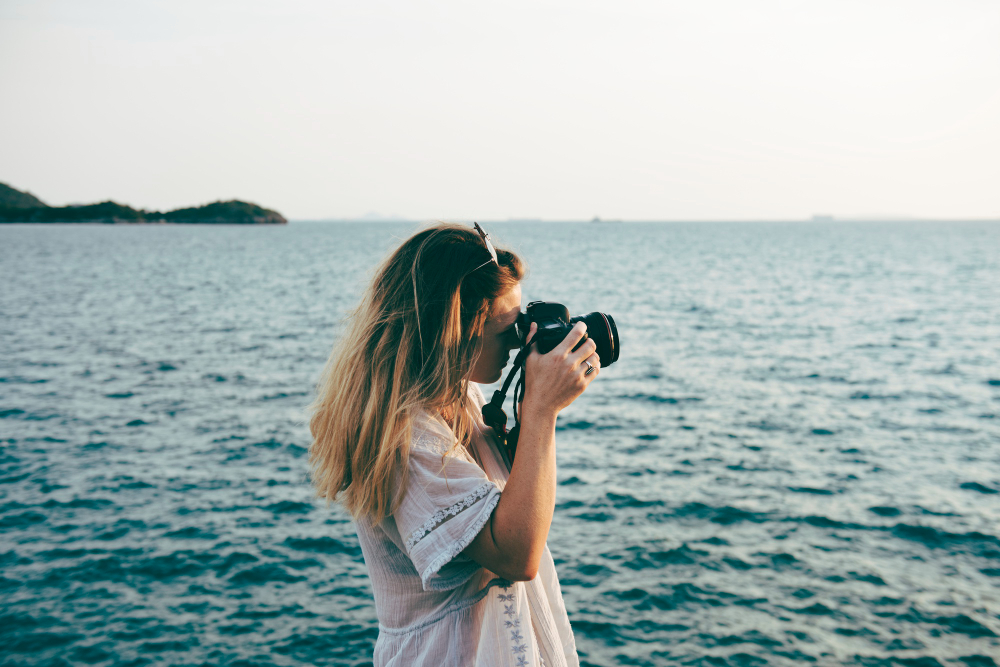
Australia’s coastline offers photographers an extraordinary range of subjects: pale beaches, rugged headlands, mangrove-lined estuaries, tidal pools and waves breaking against sandstone cliffs. Capturing their character does not require the latest camera body or a bag of expensive lenses. Understanding light, composition and coastal conditions will usually make a greater difference than buying new equipment.

A modern smartphone can produce strong landscape images when used carefully. Begin by cleaning the lens, keeping the horizon straight and deciding what the photograph is really about. Is it a single wave catching the sun, a sweep of dunes or the contrast between dark rock and turquoise water? A clear subject helps avoid scenes in which everything competes for attention. Moving a few metres to the side may create a stronger frame than changing camera settings.

Morning and late-afternoon light can bring out texture in sand and rock, particularly when the sun is low. Overcast weather is useful too: it softens harsh contrast and can reveal gentle colours in seaweed, shells and weathered timber. Bright midday light may suit sparkling surf or graphic shadows. There is no single perfect hour; the question is which conditions serve the story you want the photograph to tell.

Composition becomes easier when you think about foreground, middle distance and background. A weathered piece of driftwood can lead the eye towards the ocean, while a winding track gives scale to a headland. Reflections in wet sand may create balance without complicated editing. Take a wider shot, then move closer to a detail. A short series often says more about a place than one dramatic image.

For moving water, experiment with the camera’s available controls. A fast shutter speed can freeze droplets suspended in the air, while a longer exposure may soften waves into flowing shapes. A tripod helps with slow exposures, but a stable rock or railing at a safe distance may be enough for casual work. Many phones offer exposure adjustment and night or long-exposure modes. Learning what your existing device can do is a practical first step.

Pages: 1 2

Advertisement

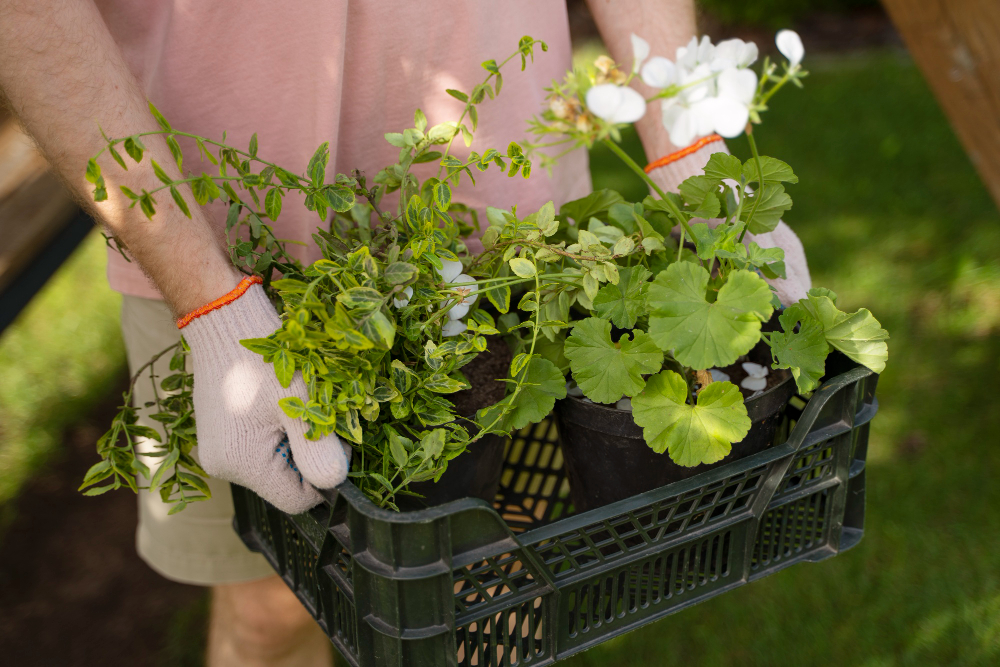
A backyard does not need to be large or perfectly landscaped to provide useful habitat for Australian wildlife. A few well-chosen plants on a balcony, a strip of shrubs beside a fence or a former patch of lawn can offer food and shelter to birds, butterflies and other insects. Native gardening combines the pleasure of growing plants with a practical way to make neighbourhoods more welcoming to the species that already live there.

The first step is to understand the local environment. A plant described as Australian native may come from a completely different climate and ecosystem. Species naturally occurring in the immediate region are often better matched to local soils, rainfall and wildlife. ABC Gardening Australia recommends choosing locally indigenous plants where possible, partly because their flowering and fruiting patterns can support local animals. Community nurseries and council planting guides can help identify suitable choices.

Designing for wildlife is different from selecting plants solely by flower colour. Nectar-rich blossoms may attract honeyeaters or lorikeets, but small birds also need places to hide from predators and larger, aggressive species. Dense shrubs, grasses and low groundcovers create layers that a bare lawn cannot provide. Taller trees may offer shade, insects and future nesting opportunities, although their eventual size must suit the space, overhead wires and neighbouring properties.

For pollinators, variety matters. Butterflies need nectar as adults, but their caterpillars often depend on particular host plants. Native bees also use a range of flowers, nesting places and materials. A garden filled with showy blooms but no breeding habitat may support fewer species than expected. Providing plants that flower at different times can help spread food availability through the year rather than concentrating it in one short season.

Popular native plant groups include grevilleas, banksias, bottlebrushes and kangaroo paws, but not every species suits every Australian garden. Some cultivars attract assertive nectar-feeding birds that may displace smaller visitors. Other plants can struggle in heavy clay, coastal salt or tropical humidity. It is worth asking a specialist nursery about plant size, water requirements and whether a selection is genuinely indigenous to your area before buying.

Water is another helpful feature, especially during hot or dry periods. A shallow birdbath with secure footing and an easy escape route can provide a drinking spot, provided the water is kept clean and refreshed. Place it where birds can approach safely and where domestic cats cannot easily ambush them. A pond may support frogs and insects if it is designed responsibly, but standing water must be maintained to avoid mosquito problems.

Pages: 1 2

Advertisement

Bushwalking offers a direct way to experience the variety of Australian landscapes, from coastal heath and eucalyptus forest to rainforest, desert ranges and alpine country. The appeal can be as simple as a quiet hour outdoors, but preparing for a walk matters. A marked trail near a city and an exposed route through remote mountains demand very different skills, even when both appear inviting in photographs.

New walkers can begin with an established short circuit in a local reserve or national park. The Australian Walking Track Grading System provides a useful starting point, classifying walks from grade 1 to grade 5 according to features such as surface, gradient, steps, signage and the experience needed. Grade 1 routes have even surfaces and are designed for broad accessibility; grade 2 walks are generally suitable for most ages; higher grades can involve steep, rough or poorly marked terrain. A track’s final grade reflects its most challenging feature, not its average difficulty.

These grades should guide rather than replace personal judgment. Distance, elevation, heat and recent rain can turn an otherwise manageable outing into a difficult one. Someone comfortable walking several kilometres on suburban footpaths may still find loose stones and repeated climbs exhausting. Before setting out, check the managing park authority’s current track information, alerts, closures and estimated walking time. Choose a route with enough spare daylight to return without rushing.

Australia’s conditions vary sharply with place and season. A warm afternoon near the coast is different from the intense heat of inland country, while mountain weather can deteriorate quickly. Carry adequate water, wear supportive footwear and protect yourself from the sun. A light rain layer and extra warm clothing may be appropriate even on a pleasant day, depending on the region. Checking fire danger ratings and weather warnings is as important as looking at the forecast temperature.

Navigation deserves attention even on popular paths. Download maps for offline use if they are available, and take a paper map or other reliable backup for unfamiliar country. Mobile reception can disappear in valleys or isolated parks. Tell a trusted person your planned route and expected return time. For remote journeys, Parks Australia recommends considering a personal locator beacon, particularly where mobile coverage is limited. It is not a substitute for experience, but it can provide an emergency communication option.

Pages: 1 2

Advertisement

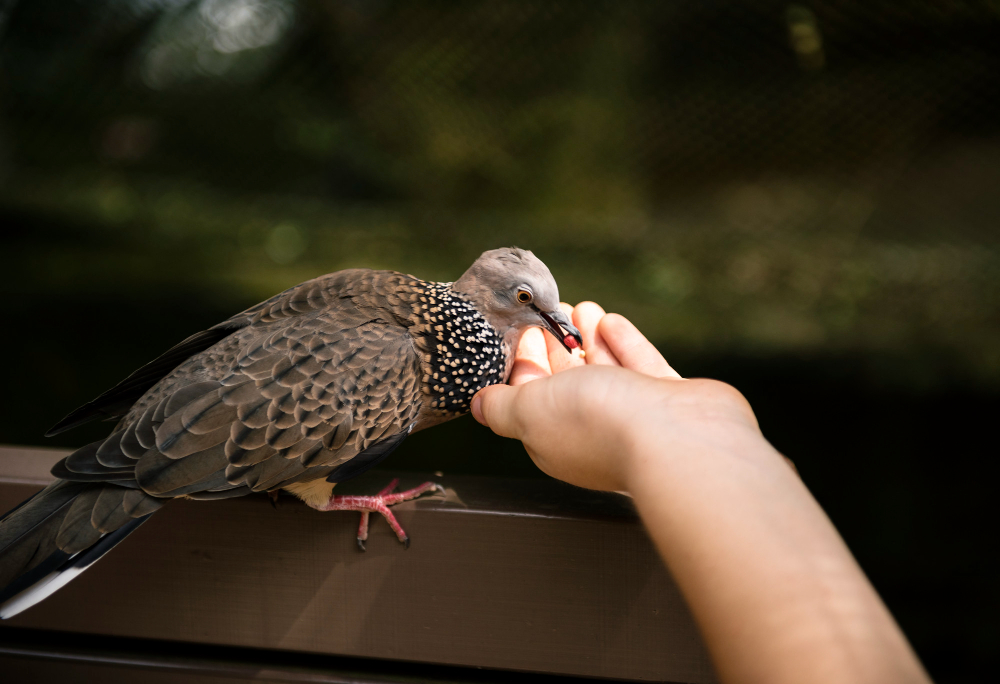
Australians do not need to travel to a remote national park to encounter remarkable wildlife. A magpie calling from a street tree, a rainbow lorikeet moving between flowering gums or a superb fairy-wren darting through a garden can turn an ordinary morning into a small discovery. Birdwatching is an accessible hobby, but the observations made by everyday enthusiasts can also contribute to a much larger picture of how birds are faring.

The best-known opportunity is BirdLife Australia’s annual Aussie Bird Count. In 2026 it takes place from 19 to 25 October, during National Bird Week. Participants choose a garden, park, schoolyard or other outdoor space, watch for 20 minutes and record the species and number of birds they see. Results can be submitted through the event’s app or website. It is not a competition to find the rarest bird: a familiar noisy miner is just as legitimate an observation as an unusual visitor.

BirdLife Australia says more than 64,000 people participated in the 2025 count, recording around five million birds. Large numbers of observations can help reveal broad patterns in the species sharing Australian suburbs and towns. They do not provide a complete census of every bird in the country, and one year’s results cannot prove that a particular population has increased or declined. Differences in weather, location and observer experience all influence what gets seen. Repeated counts, however, offer a valuable annual snapshot.

For a beginner, identification starts with watching behaviour instead of reaching immediately for a field guide. Notice whether a bird hops along the ground, searches blossoms for nectar or circles high above a paddock. Compare its size with a sparrow or magpie, then look at its bill, tail, markings and flight. Calls can be distinctive, although several species sound surprisingly alike. Taking notes or a distant photograph may be more useful than trying to memorise every feature at once.

Australia’s birdlife is particularly rewarding because different habitats can be found close together. Coastal wetlands may host shorebirds and herons; suburban gardens can attract honeyeaters and parrots; woodland paths offer chances to hear cockatoos, robins or fairy-wrens. Species vary by region and season, so a list made in Hobart will look different from one made in Darwin. Local bird groups and reputable identification resources are useful starting points when a sighting is uncertain.

Pages: 1 2

Advertisement

About us

logo

Disclaimer

Southern Meridian provides news, analysis and general information for informational purposes only. While we strive for accuracy, information may change over time. Content related to health, finance or legal matters should not be considered professional advice. Views expressed in articles do not necessarily reflect those of the editorial team.