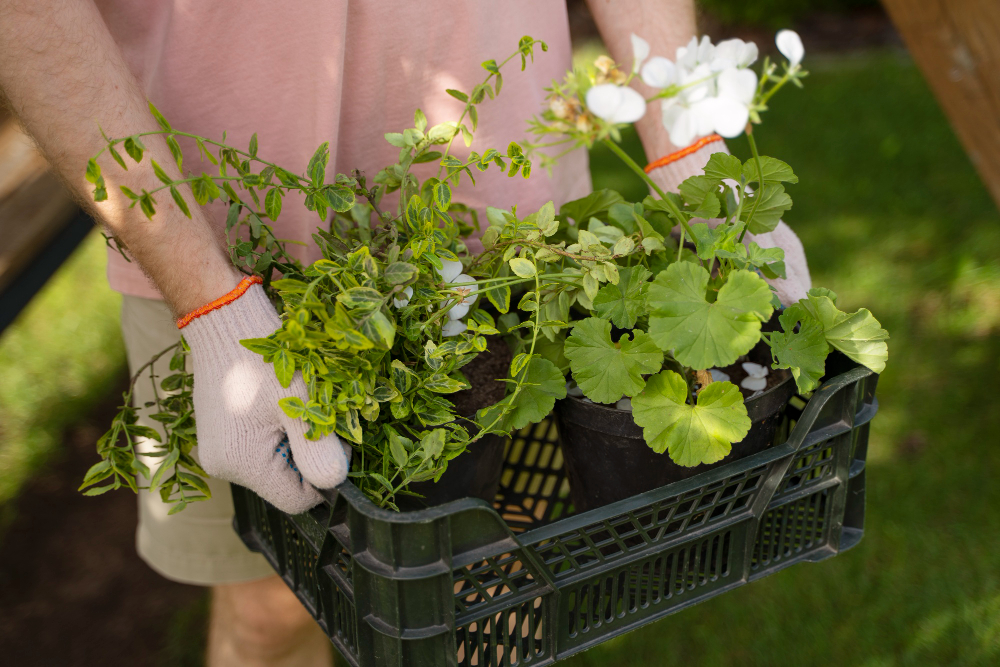
A backyard does not need to be large or perfectly landscaped to provide useful habitat for Australian wildlife. A few well-chosen plants on a balcony, a strip of shrubs beside a fence or a former patch of lawn can offer food and shelter to birds, butterflies and other insects. Native gardening combines the pleasure of growing plants with a practical way to make neighbourhoods more welcoming to the species that already live there.
Advertisement
The first step is to understand the local environment. A plant described as Australian native may come from a completely different climate and ecosystem. Species naturally occurring in the immediate region are often better matched to local soils, rainfall and wildlife. ABC Gardening Australia recommends choosing locally indigenous plants where possible, partly because their flowering and fruiting patterns can support local animals. Community nurseries and council planting guides can help identify suitable choices.
Designing for wildlife is different from selecting plants solely by flower colour. Nectar-rich blossoms may attract honeyeaters or lorikeets, but small birds also need places to hide from predators and larger, aggressive species. Dense shrubs, grasses and low groundcovers create layers that a bare lawn cannot provide. Taller trees may offer shade, insects and future nesting opportunities, although their eventual size must suit the space, overhead wires and neighbouring properties.
For pollinators, variety matters. Butterflies need nectar as adults, but their caterpillars often depend on particular host plants. Native bees also use a range of flowers, nesting places and materials. A garden filled with showy blooms but no breeding habitat may support fewer species than expected. Providing plants that flower at different times can help spread food availability through the year rather than concentrating it in one short season.
Popular native plant groups include grevilleas, banksias, bottlebrushes and kangaroo paws, but not every species suits every Australian garden. Some cultivars attract assertive nectar-feeding birds that may displace smaller visitors. Other plants can struggle in heavy clay, coastal salt or tropical humidity. It is worth asking a specialist nursery about plant size, water requirements and whether a selection is genuinely indigenous to your area before buying.
Water is another helpful feature, especially during hot or dry periods. A shallow birdbath with secure footing and an easy escape route can provide a drinking spot, provided the water is kept clean and refreshed. Place it where birds can approach safely and where domestic cats cannot easily ambush them. A pond may support frogs and insects if it is designed responsibly, but standing water must be maintained to avoid mosquito problems.

