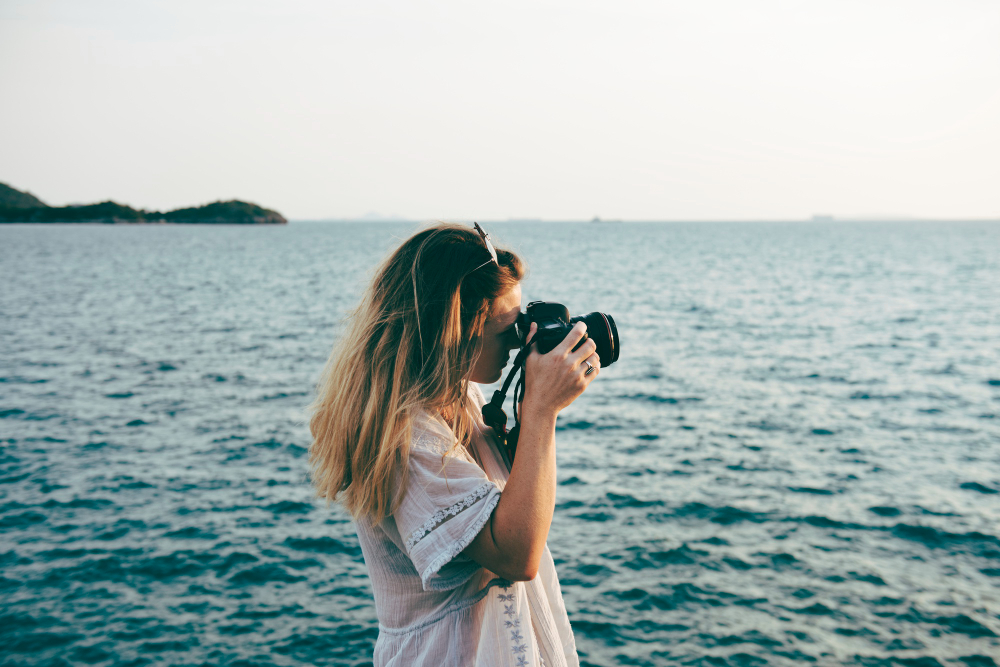
Australia’s coastline offers photographers an extraordinary range of subjects: pale beaches, rugged headlands, mangrove-lined estuaries, tidal pools and waves breaking against sandstone cliffs. Capturing their character does not require the latest camera body or a bag of expensive lenses. Understanding light, composition and coastal conditions will usually make a greater difference than buying new equipment.
Advertisement
A modern smartphone can produce strong landscape images when used carefully. Begin by cleaning the lens, keeping the horizon straight and deciding what the photograph is really about. Is it a single wave catching the sun, a sweep of dunes or the contrast between dark rock and turquoise water? A clear subject helps avoid scenes in which everything competes for attention. Moving a few metres to the side may create a stronger frame than changing camera settings.
Morning and late-afternoon light can bring out texture in sand and rock, particularly when the sun is low. Overcast weather is useful too: it softens harsh contrast and can reveal gentle colours in seaweed, shells and weathered timber. Bright midday light may suit sparkling surf or graphic shadows. There is no single perfect hour; the question is which conditions serve the story you want the photograph to tell.
Composition becomes easier when you think about foreground, middle distance and background. A weathered piece of driftwood can lead the eye towards the ocean, while a winding track gives scale to a headland. Reflections in wet sand may create balance without complicated editing. Take a wider shot, then move closer to a detail. A short series often says more about a place than one dramatic image.
For moving water, experiment with the camera’s available controls. A fast shutter speed can freeze droplets suspended in the air, while a longer exposure may soften waves into flowing shapes. A tripod helps with slow exposures, but a stable rock or railing at a safe distance may be enough for casual work. Many phones offer exposure adjustment and night or long-exposure modes. Learning what your existing device can do is a practical first step.

