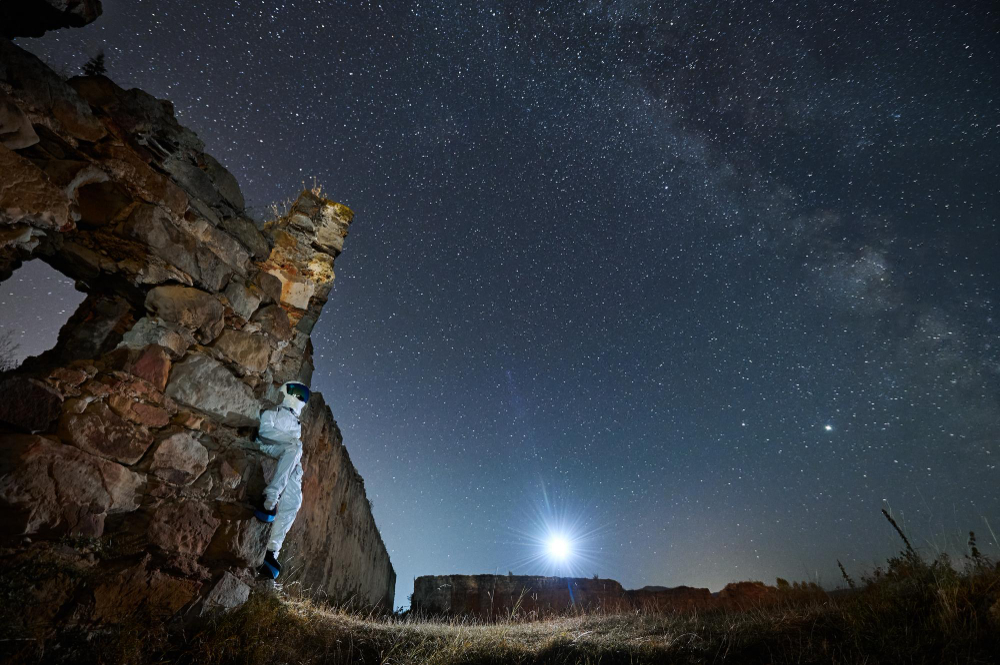
On a clear Australian evening, the sky offers a remarkable introduction to astronomy. Far from bright city lights, the Milky Way can appear as a luminous band stretching overhead, while familiar patterns such as the Southern Cross help people begin finding their way among the stars. Stargazing is one of the few hobbies that can start with no equipment at all: the first requirement is simply to look up and give your eyes time to adjust.
Advertisement
What you can see depends on where you are, the time of year and conditions on the night. The Southern Cross, part of the constellation Crux, is a useful feature of southern skies, though its position changes as Earth rotates. Nearby bright stars in Centaurus can help distinguish it from other cross-like patterns. The Moon, planets and striking clusters can also be visible, but the planets present on any particular evening vary as they move in their orbits.
A dark location makes a substantial difference. Streetlights, shopping centres and outdoor security lighting brighten the night sky and hide faint stars. Travel away from major urban areas where practical, choose a clear forecast and consider the Moon’s phase. A bright full Moon can wash out detail in the Milky Way; darker nights around new Moon often suit observers hoping to see faint features. Clouds, smoke and humidity also influence visibility, regardless of the quality of a telescope.
Warrumbungle National Park near Coonabarabran in New South Wales is a well-known example of protecting dark skies. It became Australia’s first International Dark Sky Park and marked ten years of that recognition in 2026. The region’s clear conditions and proximity to Siding Spring Observatory have helped establish its reputation for astronomy. Visitors can enjoy the stars from appropriate public viewing areas and may find guided activities, subject to park conditions and availability.
Beginners do not need to start at a famous destination. A safe, open location outside strong lighting can reveal more stars than a suburban backyard. Bring warm layers, drinking water and a torch with a red-light setting if possible. Bright white light can spoil night vision for you and nearby observers. Allow around 20 to 30 minutes for your eyes to become more sensitive to darkness, and avoid looking at your phone screen repeatedly.
Learning a handful of landmarks is more rewarding than attempting to memorise an entire star chart in one night. Begin with the Southern Cross, then use a reputable sky map or astronomy app to locate other bright stars and constellations. Be aware that an app’s display depends on accurate time and location settings. The two Magellanic Clouds, neighbouring dwarf galaxies of the Milky Way, can appear as faint cloudy patches from sufficiently dark southern locations when conditions allow.

