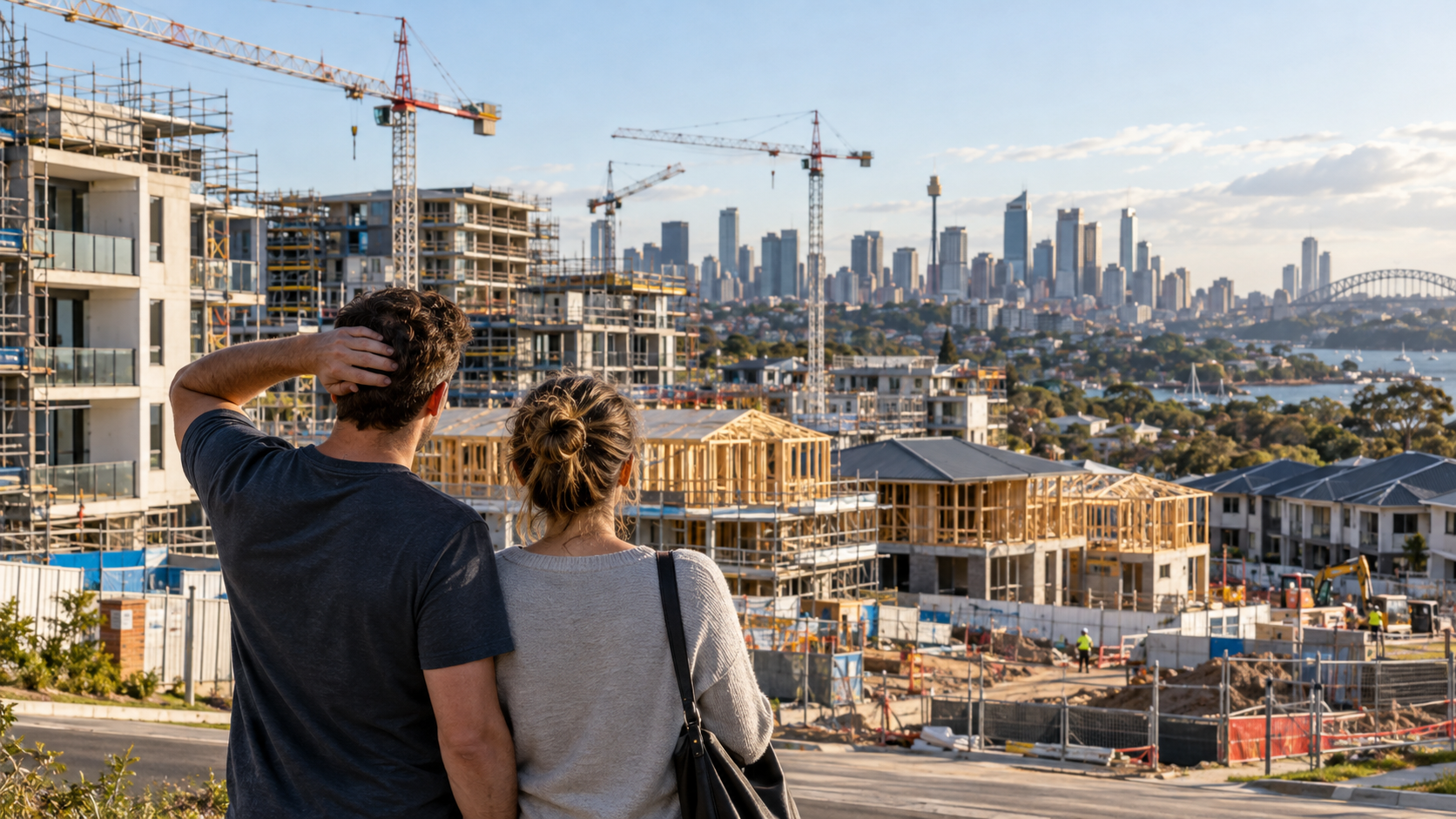
Australia has set itself an ambitious housing goal: 1.2 million new homes over the five years from July 2024 to June 2029. The target, agreed under the National Housing Accord, is intended to ease a shortage that has pushed rents and purchase prices beyond the reach of many households. Two years into the programme, the question is less about the size of the promise than whether the building industry can deliver homes quickly enough.
Advertisement
Meeting the target would require an average of 240,000 new homes a year. Yet the latest figures show why that rate is difficult to sustain. Australian Bureau of Statistics data released in October 2026 recorded 47,168 dwelling completions in the June quarter on a seasonally adjusted basis, up 5.8 per cent from the preceding quarter. Work started on 52,201 homes, a quarterly rise of 7 per cent. Both numbers suggest activity is improving, but neither is close to the pace required if repeated across a full year.
The National Housing Supply and Affordability Council has also warned about the distance between ambition and likely delivery. In its April 2026 report, the council projected about 980,000 gross new dwellings during the Accord period under its early-2026 outlook. That would leave a shortfall of roughly 220,000 compared with the national goal. The projection is not a final result: construction conditions, policy decisions and future demand can change it substantially.
Why does Australia struggle to build faster? A home cannot appear simply because a planning target has been announced. Builders need land with suitable zoning, roads, water connections, financing, materials and a skilled workforce. Delays in one area can prevent progress in another. Higher borrowing costs make projects harder to finance, while shortages of tradespeople can extend construction schedules or increase prices for buyers and developers.
The picture also varies by location. Sydney and Melbourne face different pressures from growing suburbs in Brisbane, Perth or regional centres. An apartment project near a railway station can house many people on a relatively small site, but it may require complex approvals and expensive infrastructure. Detached housing on urban fringes can be quicker to plan in some places, yet residents still need transport, schools, healthcare and employment nearby. Counting dwellings without considering their location risks producing the wrong homes in the wrong places.

