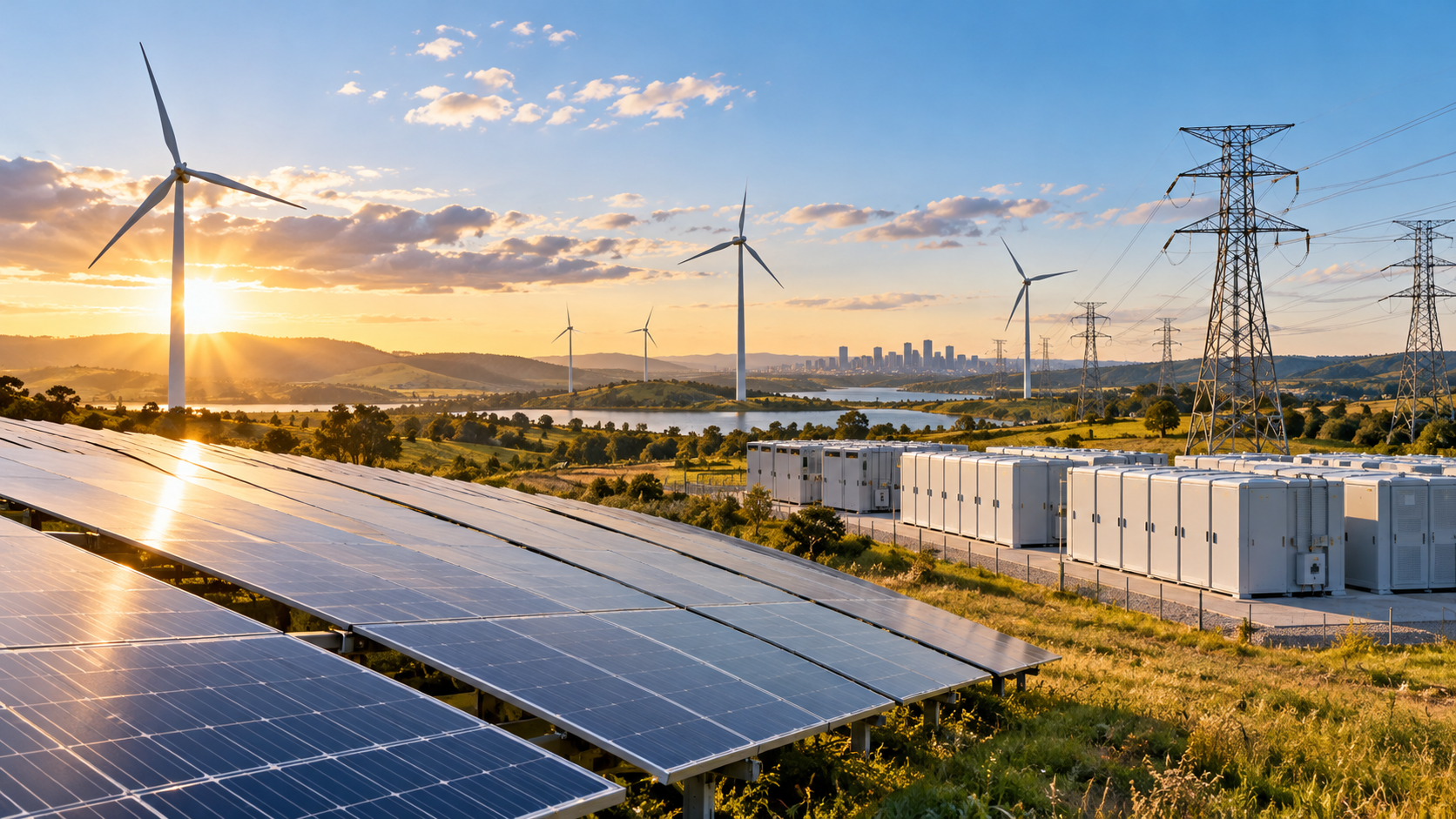
Australia’s electricity system is undergoing a major transformation. Rooftop solar panels, large wind farms and batteries are becoming more important as ageing coal-fired power stations move towards retirement. The shift is often described as a debate about climate policy, but it is equally a question of whether households and businesses can rely on affordable electricity at every hour of the day.
Advertisement
The federal government has set an ambition for renewable sources to supply 82 per cent of electricity by 2030. Reaching that figure requires more than constructing solar and wind projects. Electricity must also reach the places where people use it, and the system needs enough flexible capacity when sunlight and wind output are low. These are the practical challenges now shaping energy policy across the country.
In June 2026, the Australian Energy Market Operator published its latest Integrated System Plan for the National Electricity Market. It found that renewables connected through upgraded transmission and distribution networks, supported by storage and backed by gas, represent the least-cost development path through to 2050 under the plan’s assumptions and policy settings. This is a planning assessment rather than a guarantee that every proposed project will be delivered on time or that bills will immediately fall.
Solar power is especially visible in Australia because so many households have panels on their roofs. During sunny periods, these systems can reduce demand for electricity supplied from large power stations. But their contribution changes throughout the day, and evening demand often arrives after solar generation drops. Batteries can store some surplus electricity and release it later, while other flexible resources help keep supply and demand balanced.
Wind generation adds a different production pattern and can contribute when solar output is weak. Its value also depends on location, weather and access to the grid. New transmission lines could connect renewable resources in regional areas with cities and industrial customers. Supporters regard these connections as essential for replacing retiring coal capacity. Critics point to their cost, lengthy approvals and potential impacts on farms, landscapes and local communities.

