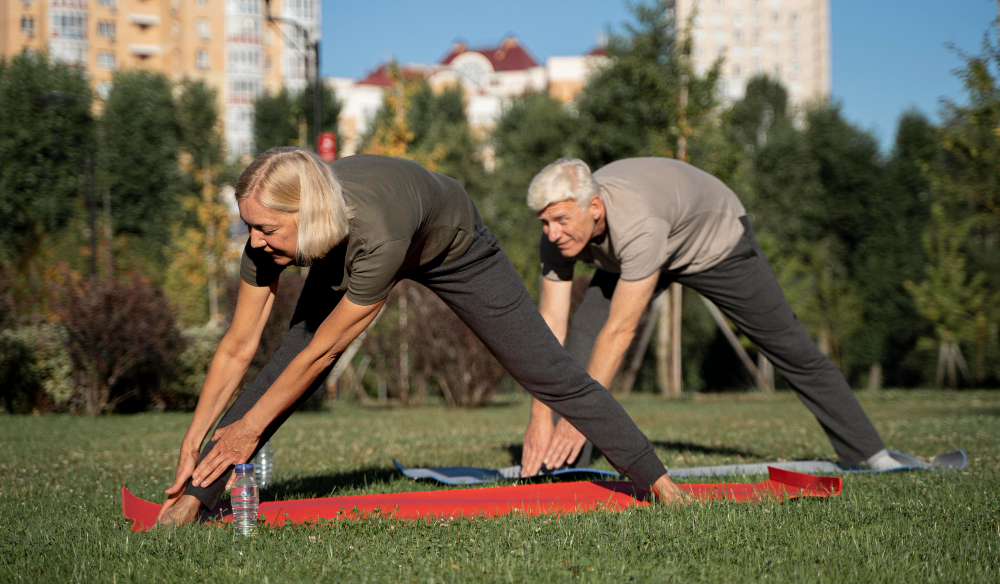
Long periods of sitting are another focus. Office work, study and entertainment can keep a person seated for hours even when they exercise before breakfast. The recommendations encourage limiting sedentary time and interrupting it regularly. Short walks to refill water, standing during suitable tasks or taking the stairs can help create a more active pattern. Such breaks do not replace all planned exercise, but they make movement less dependent on having a free hour.
Advertisement
Sleep belongs in the same conversation. For most adults aged 18 to 64, the new guidance recommends seven to nine hours of good-quality sleep, with reasonably consistent bed and wake times. Someone who sacrifices sleep to fit in an intense workout may not improve their overall routine. A sustainable approach balances recovery with activity rather than assuming that more exercise is always better.
The government said in May 2026 that an estimated 46 per cent of Australian adults and older adults were not sufficiently active. That figure helps explain why the guidelines focus on practical changes instead of elite performance. Many people are managing caring duties, shift work, transport limitations or the cost of organised sport. Public parks, local walking routes and inexpensive home exercises can offer realistic starting points.
For beginners, gradual progress is safer and more achievable than a dramatic change. A person doing very little activity might begin with a ten-minute walk after lunch and build towards longer or brisker sessions. Adding simple strengthening movements twice a week may then become manageable. Those living with chronic conditions, disabilities, pain or recent injuries may need tailored advice about what activities suit them and how to increase effort safely.
Australia’s weather also shapes exercise choices. Summer heat and high UV can make midday outdoor activity uncomfortable or hazardous, while wet weather and short winter days create different obstacles. Choosing shaded routes, checking conditions or using an indoor community venue can help maintain a routine. In some neighbourhoods, the presence of safe footpaths and accessible recreation spaces makes as much difference as individual motivation.
The most useful question is not whether every adult has achieved an ideal fitness target by Monday. It is whether the week contains regular opportunities to move, build strength, interrupt sitting and sleep well. Small habits that survive busy periods are more valuable than ambitious plans abandoned after a few days. Australia’s updated guidance makes room for that ordinary reality: health is shaped by how the whole day is lived, not just by the minutes spent exercising.

