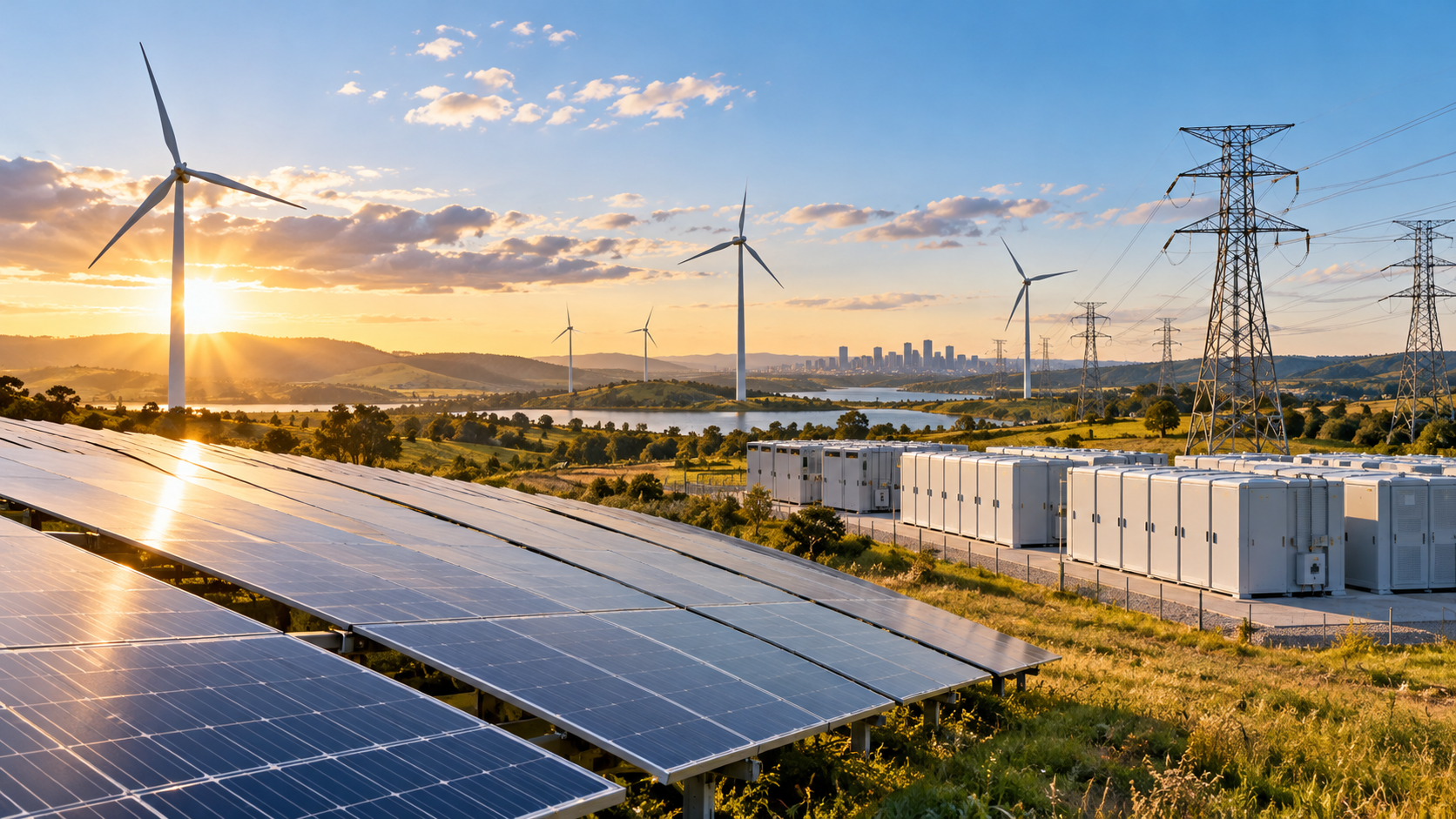
The federal Capacity Investment Scheme is one response to uncertainty over new projects. It offers a long-term revenue safety net for selected renewable generation and dispatchable storage, reducing financial risk for investors. The intention is to encourage construction that might otherwise be delayed. Yet a project winning support is only an early step: developers still face planning assessments, network connections, equipment delivery and workforce requirements before electricity reaches consumers.
Advertisement
There are also important differences between state and territory energy systems. The National Electricity Market covers eastern and southern interconnected regions, while Western Australia operates major separate grids. Local fuel availability, distances, industrial demand and existing infrastructure all affect the best mix of generation and storage. A national target can provide direction without removing the need for local solutions.
For communities hosting large energy developments, the debate is about more than national emissions. Residents may ask how land will be used, whether farmers can keep operating, who pays for roads and what benefits remain locally. Consultation with First Nations communities and landholders can influence a project’s legitimacy and design. Ignoring such concerns risks delays and mistrust even when the broader case for new infrastructure is strong.
Consumers, meanwhile, want to know what the transition means for their power bills. More low-cost renewable generation can reduce exposure to fuel prices in some circumstances, but new networks, financing costs and market conditions also affect retail prices. Reliability requires careful coordination as coal plants withdraw. Promising that every household will automatically save money would oversimplify a system undergoing substantial change.
Australia’s energy future will be determined by the gap between planned capacity and projects that are built, connected and operating reliably. Governments will be judged on whether they can support investment, protect communities and maintain dependable supply without placing unfair costs on consumers. The technology is advancing, but successful energy policy will depend just as much on planning, transparency and public confidence.

