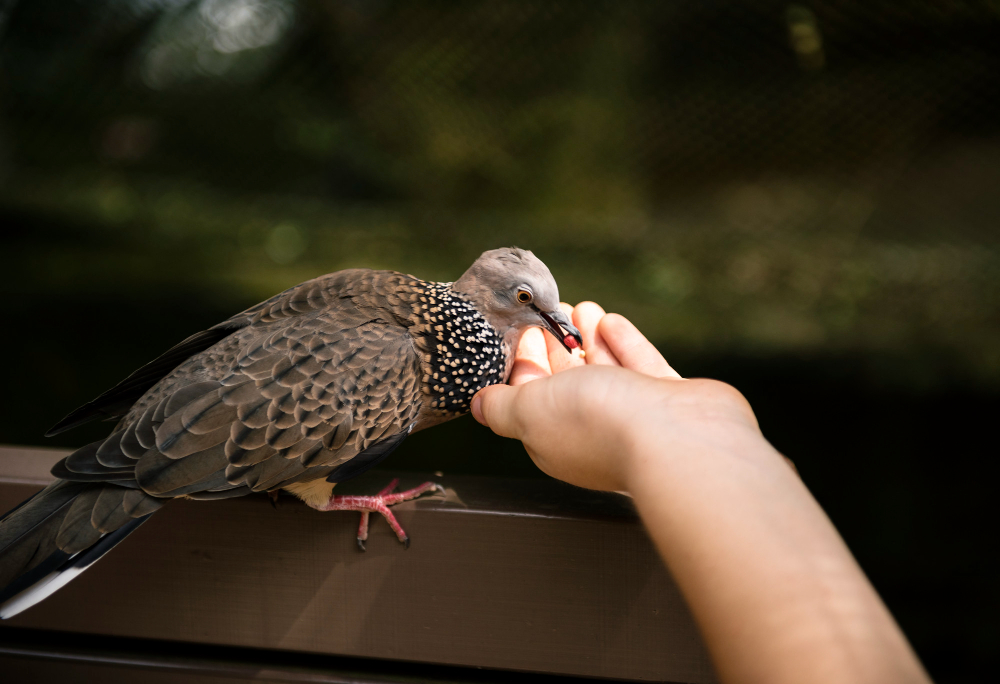
Expensive equipment is unnecessary. Comfortable shoes, sun protection, water and a notebook are enough for a short outing. Binoculars may improve the experience, but beginners can learn a surprising amount while standing still and watching nearby trees. Early morning often provides good opportunities because many birds are active then. Quiet observation also reduces the risk of disturbing feeding or nesting behaviour.
Advertisement
Responsible birdwatching means keeping a respectful distance. It is better to let a bird move naturally than to approach a nest for a photograph, use repeated calls to draw it closer or leave food that could change its habits. Dogs should remain under control where permitted, and paths and protected vegetation should be respected. For shorebirds resting after long migrations, being repeatedly disturbed can cost valuable energy.
Families can make the activity a shared challenge without turning it into a race. Children might record colours, sketch shapes or compare what appears on different days. A classroom could count birds near a sports oval and discuss why a patch of shrubs offers shelter. Gardeners can use what they notice to consider whether their yards provide water, nesting opportunities and plants that support insects.
One useful habit is to record both common and less familiar birds rather than reporting only the colourful ones. Counts are more helpful when observers follow the same method and avoid guessing at unidentified species. If several birds fly through a site, note what can genuinely be seen rather than inventing a total. Conservation organisations use observations alongside other surveys and research; citizen science is valuable precisely because its limitations can be understood and its broad geographic reach is difficult to reproduce through professional fieldwork alone.
The most lasting reward may be a change in attention. After learning a few calls, a person walking to the shops may begin to recognise individual species that previously blended into the background. The Aussie Bird Count gives that curiosity a practical purpose: one short session can become a useful observation when joined with thousands of others. Birdwatching connects people with nature close to home, while reminding them that protecting wildlife begins with noticing what is already there.

