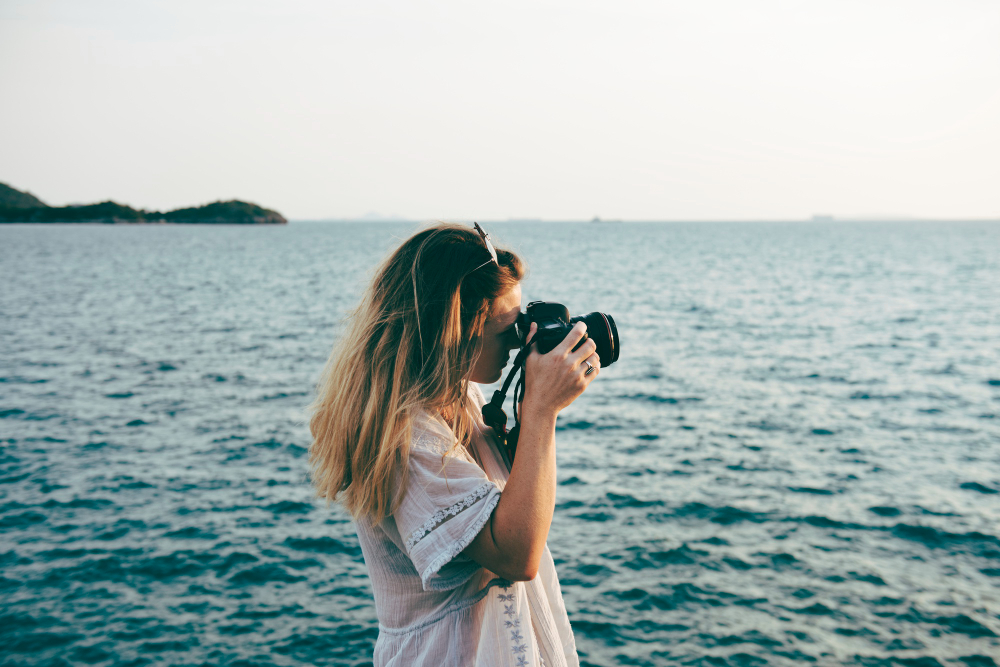
Safety must come before the photograph. NSW National Parks warns that coastal rock platforms can be slippery and that unexpected waves or rising tides can trap visitors or sweep them into the ocean. Check the local weather, swell and tide forecasts before visiting. Stay well back from exposed edges, never turn your back on the sea and do not step onto a dangerous rock shelf to reproduce a picture seen online. A spectacular image is never worth risking a life.
Advertisement
Photographers should also protect the places they visit. Follow marked paths through dunes, avoid damaging fragile vegetation and leave shells and wildlife undisturbed where regulations require it. Give seabirds room to rest and nest. Some protected locations have restrictions on access, commercial filming or drone flights. Australia’s national drone rules apply alongside state, territory and local requirements, so flying a drone is not automatically allowed because a beach looks empty.
Editing is best treated as a way to clarify what was actually seen. Adjusting exposure, cropping a distracting edge or correcting colour can make a photograph easier to read. Excessive saturation may turn an ordinary stretch of sea into something viewers would not recognise. For editorial photography, accuracy matters: a picture should not imply an event, a hazard or a location that it does not genuinely show.
An inexpensive way to improve is to make a small photographic project instead of collecting unrelated snapshots. Choose a stretch of coastline you can reach safely and photograph it over several weeks. Compare images taken from the same spot at different tide levels or in soft morning light and cloudier conditions. Notice how changes in perspective alter the apparent height of cliffs and the distance between objects. Review the photographs on a larger screen and identify one improvement for the next visit. That cycle of looking, testing and learning develops visual judgment.
A satisfying coastal photography habit can begin with returning to the same safe viewpoint in different weather. Patterns in the sand shift, tides expose new textures and seasonal light changes familiar cliffs. Instead of chasing distant destinations, practise seeing new details close to home. The strongest photographs often come from observation, patience and an understanding of the shore, not from the price of the camera held in your hand.

